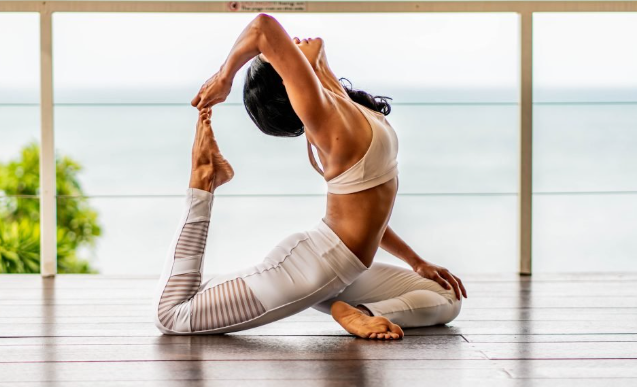
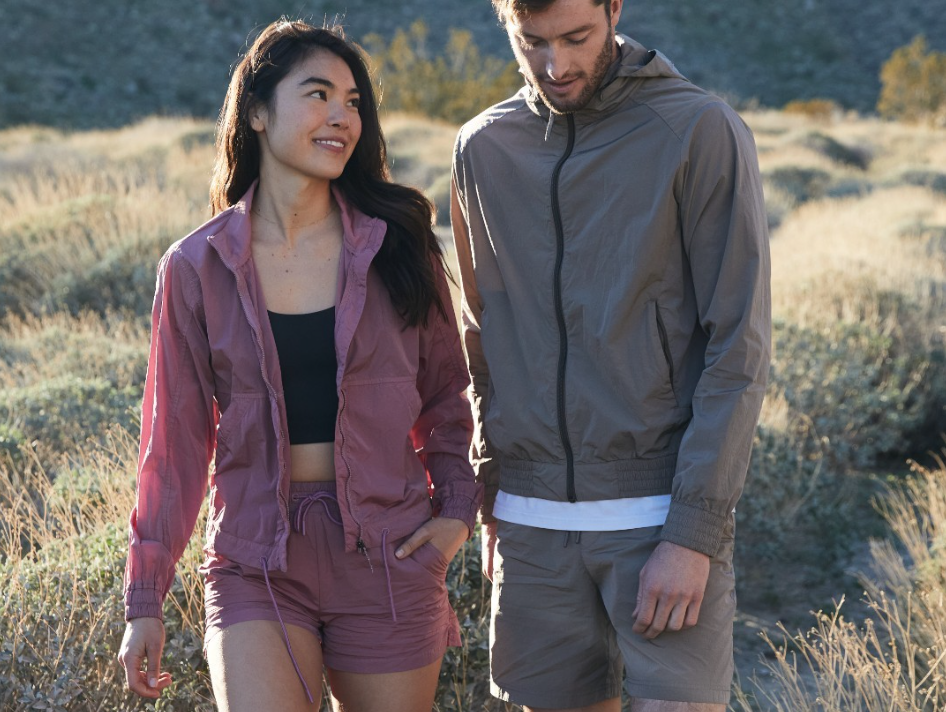
I’ve started to ask what goes into the athleticwear I buy. This made me look into Halara. From my perspective, their clothing brings up concerns about quality, ethics, and how it affects the planet. I know their soft, stretchy fabrics get a lot of praise. But some critics point to issues with how the clothes are made. They also say the company isn’t very open about its process. Based on my research, there is one part of their production you might not know about. It could change your opinion.
A Scorecard at a Glance
|
Category |
Halara Practice |
Key Facts & Data |
Criticisms |
|---|---|---|---|
|
Quality |
Uses soft, stretchy fabrics |
Nylon/spandex, quality checks, good customer ratings |
Sizing can be off, limited returns |
|
Ethical Manufacturing |
Claims to be ethical, but not transparent |
Asian factories, has some certificates, but no reports |
No outside audits, wage info is missing |
|
Sustainability |
Makes clothing to order, less waste |
Makes what’s needed, uses no green fibers |
Uses synthetic fabrics, has no green seals |
|
Return/Exchange |
30 days to return, you pay shipping |
No returns for fit/color/size issues; warehouse in China |
Tough policy if item isn’t broken |
Halara’s Primary Manufacturing Base: A Global Network
Guangdong, China: The Heart of Halara’s Production
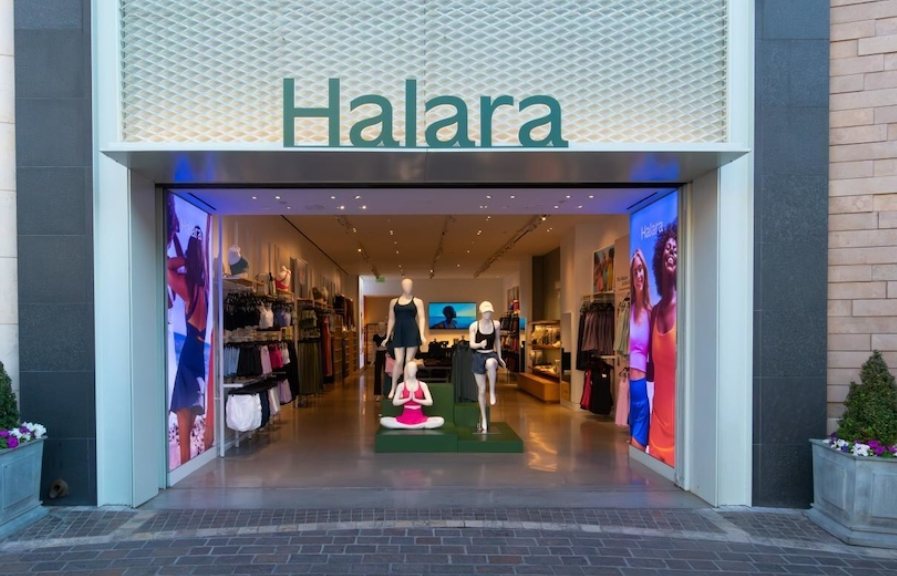
Most of Halara’s clothing is made in Guangdong province. I think this region is a smart choice because it is famous for textile production. This gives Halara two major benefits: lower-cost manufacturing and the ability to increase production when needed. Quality control centers support the factories. They check each item to ensure it meets strict standards before being shipped. Halara’s main office is in Hong Kong. I believe this gives the brand easy access to its Guangdong factories and the city’s global trade connections.
Expanding Across East and Southeast Asia
Halara does not rely on a single location. I’ve noticed they work with factories in Vietnam, the Philippines, and other parts of South and Southeast Asia. This approach helps them lower risk and find specialized skills for new products. They keep the exact locations and production numbers private. However, they state these factories are chosen for their skill and for following labor and environmental rules. The company also mentions regular quality checks and that they are growing their partnerships in the area.
Materials, Methods, and Logistics
I believe their material choices show a focus on comfort and function. They prefer nylon, spandex, and cotton because these fabrics are soft, stretchy, and breathable. The brand uses on-demand and just-in-time production, which I feel is a great method. It helps reduce waste, avoids making too much product, and makes managing inventory easier. Each garment is made in and shipped from Asia, creating an efficient supply process.
The Transparency Gap
Based on my research, there’s a gap in their transparency. Halara makes claims about quality and sustainability, but I’ve found they are quiet about their specific suppliers. They also don’t offer any third-party labor audits. All public information is general. I’ve seen many reviewers point to this lack of openness as a key concern.

Related Reading:5 Tips For Choosing The Perfect Custom Bowling Shirt For Your League
More Than Just a Label: A Look at Halara’s Smart Business Model
Smart, Data-Focused Manufacturing
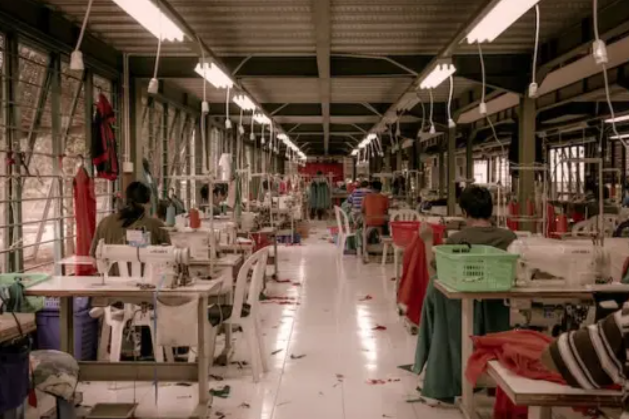
From my experience, Halara’s founders used their tech skills to build a very efficient supply chain. They use clever computer programs to predict what customers will buy. This means they only produce what is needed, which avoids creating extra stock or wasting materials. I believe this lean method of keeping just enough inventory allows them to offer good prices and stay flexible. Quality control is a top priority, whether the products are made in their factories in Vietnam, China, or the Philippines.
Listening to Customers and Acting Fast
Halara doesn’t guess what styles to make. Instead, the company listens to its large online community to create and improve its designs. For example, take the Everyday Easy Peezy Dress, one of their most popular items. The design team perfected it after studying more than 10,000 social media comments and reviewing thousands of customer surveys. This process is impressive to me. They make updates quickly. The team gets direct feedback from customers and uses machine learning to see what’s trending on Google and TikTok. When a new style becomes popular, Halara acts fast to produce it.
New Fabrics and More Products
The brand loves to experiment with materials. In my opinion, this is a great way to stand out. Halara puts money into special fabrics like Petitoff and Cloudful. These are soft, high-quality materials made for people who are active. As the brand gets more popular, its product line grows. We’ve all seen their workout skorts in TikTok videos with billions of views. They also now offer swimwear, loungewear, and stylish accessories. Halara expands its collections based on what customers want. I’ve seen this work in online sales and at offline events, like their popular pop-up shop in New York City.
A Strategy Driven by Community and Social Media
Halara’s production process is connected to its customers. Every part, from the first idea to the final product, uses community feedback. This is why I think their clothes are so popular with shoppers who use social media in North America and Europe. The company earns millions of dollars each month. This success comes from having a great product and from very smart viral marketing. Their “dupe” campaigns on TikTok and stories on Instagram can make a simple piece of clothing a must-have item almost overnight.
The Core Strengths: Speed and Response
Halara’s core strength is its speed and its ability to respond to customers. I suggest other brands pay attention to their model. It’s built on a few key ideas:
* Using data to reduce waste.
* Paying attention to what shoppers want.
* Updating collections to match those wants.
This customer-focused, tech-driven method helps them stand out in the busy activewear market.
A Look at Halara’s Production and Supply Chain
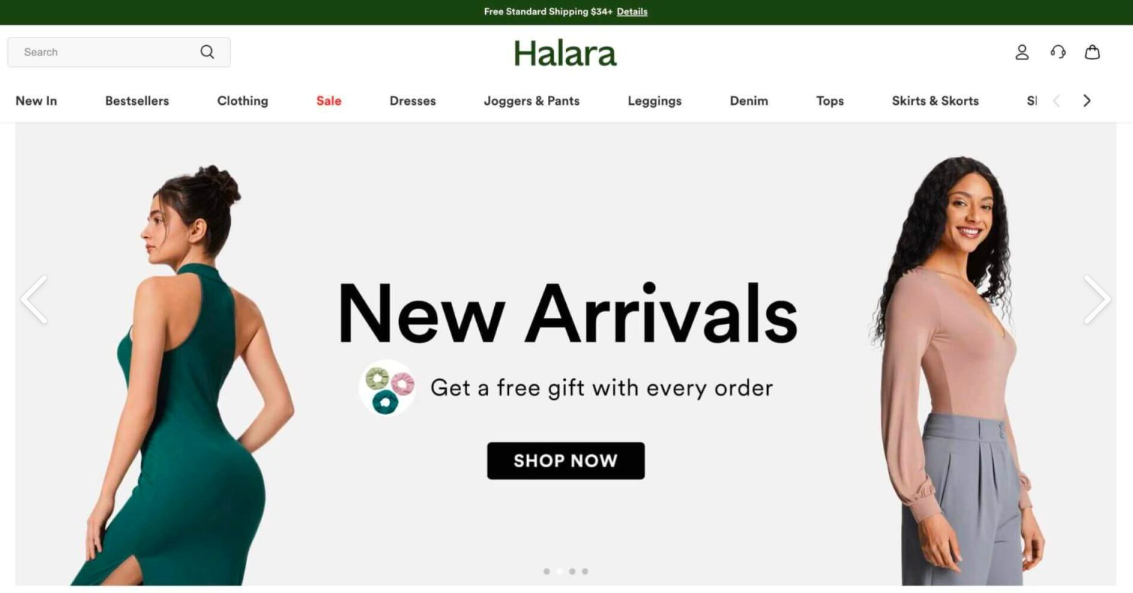
Making Clothes on Demand: Less Waste, More Speed
I like Halara’s demand-driven production because it aims to make every item count. They create clothing based on real customer orders. Pieces are sold as “Pre-Order” or “Just In Time,” so they don’t fill the market with unsold goods. I think this is more than just being efficient; it’s a smart choice to reduce the pollution that often comes with fast fashion. By making what people want, Halara avoids overproduction and creates products that reflect customer feedback.
Smart Technology and Forecasting
I find it interesting that a special prediction algorithm is at the center of Halara’s supply chain. This tool forecasts demand and helps manage their inventory. This tech-focused system keeps their storage costs low, allowing the brand to offer competitive prices. It also gets rid of stockpiles and last-minute sales, making their supply chain lean and responsive.
Fabric Choices and Innovation
Based on my analysis, the brand’s fabrics are chosen for more than just looks. Halara uses nylon, spandex, and cotton to focus on comfort, stretch, and breathability. What stands out to me is their investment in their own textiles, like Petitoff and Cloudful. For their technical denim line, they use OEKO-TEX-certified dyes. I believe this makes production safer for factory workers and customers.
A Focus on Quality and Sustainability
Every garment is handled by expert pattern makers and quality control specialists. Halara states they are dedicated to sustainable manufacturing. They select factory partners that meet high standards and use on-demand production to cut down on material waste. They also use certified processes for certain products.
Even so, some questions about their transparency remain. While the company talks about its partnerships and green initiatives, third-party reports suggest they keep supply chain details private and have few independent audits.
Designing with Feedback
I believe customer feedback is the heart of Halara’s product creation. For example, they redesigned the Everyday Easy Peezy Dress based on over 10,000 social media comments and 1,000+ survey replies. This shows they listen to their community. This focus on users means items are genuinely wanted, not just trendy. I think this helps reduce unsold styles and supports faster innovation.

Related Reading:Where Is Beyond Yoga Manufactured?
A Closer Look at Halara: Quality, Ethics, and Green Claims
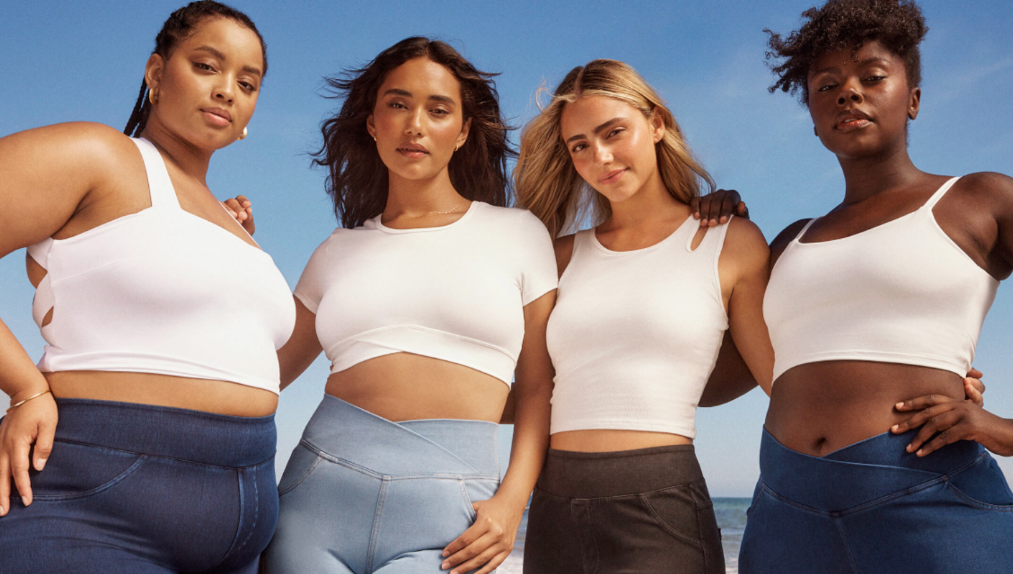
Is Halara’s Quality Worth the Hype?
Halara makes its clothes in factories in Vietnam, China, and the Philippines. They use soft, flexible fabric blends, mostly nylon, spandex, and cotton. From my experience, these fabrics are what make Halara’s clothes feel stretchy, form-fitting, and easy to move in. I think their focus on construction is good. Every item goes through quality checks before it’s sent to you.
-
What I’ve Found: In my opinion, you get great value for what you pay. The fabrics feel soft, and the stitching seems to last through washes. One thing I suggest you watch out for is the sizing. I’ve noticed it can be inconsistent. Many people say items can fit a bit tight. Keep in mind the company won’t take back items for size or color problems unless there’s a defect. I would recommend checking their size chart carefully.
-
Price Point: I see Halara as a brand for shoppers on a budget. They keep prices low by using affordable materials and efficient production. This gives their clothes a “good for the price” feel.
The Reality of Halara’s Ethical Manufacturing
Halara says its factories follow strict labor rules and pay regulations. They mention some factories have certificates for worker health and safety. The problem I see is a lack of transparency. They do not share detailed reports about factory conditions or wages. I couldn’t find any third-party audits. There is also no public list of their suppliers.
Sustainability: Best Intentions, Mixed Execution
Halara’s biggest green claim is its on-demand, pre-order production model. This means they only make what people order. I think this is a smart way to reduce leftover stock and waste. It helps them avoid the overproduction common in fast fashion.
-
Fabric Choices: This is where I have some issues. Halara’s main fabrics are not good for the environment and are not biodegradable. Nylon and spandex are durable and stretchy, but they release microplastics. They are also not from recycled or organic sources. I noticed Halara does not sell clothes made from recycled PET, organic bamboo, hemp, or Tencel. Other green brands, like Ambiletics or Dk active, often use these materials.
-
Small Green Steps: The brand suggests washing with mild soap and cool water to be kinder to the planet. In my view, these are small actions. It seems that most of the responsibility for green practices falls on the customer after they buy the product.
Berunwear: Your Bulk Custom Activewear Partner

Finding a bulk custom activewear supplier can be tough. In my experience, Berunwear is a strong contender.
Total Custom Design
What I find special about Ballsjersey is the complete design freedom they offer. You are not stuck with pre-made designs or basic templates. You can create a style that is truly yours.
Many Activewear Choices
Their catalog includes T-shirts, team uniforms, and a full selection of sportswear. I think this variety is great for groups that want a consistent, branded look.
Quality Control with Samples
Here’s a feature I personally value: they provide pre-production samples. From my experience, getting a huge order with a mistake is a major problem. Getting a sample first lets you check all the details. You can approve it and know precisely what your final products will look like.
Support for Bulk Orders
The entire business at Berunwear is set up for bulk sportswear orders. Their process is designed for large-scale needs. This could be for a whole college league or a marathon with thousands of runners. It also works for company wellness programs. They handle repeat seasonal orders and long-term agreements.
Related Reading:Where To Get Custom Embroidered Hoodies In The Us?
Conclusion
Reflecting on everything I’ve discovered about Halara, I see a brand that perfectly captures our modern shopping reality – we want quality, ethics, and sustainability, but we also want affordability and instant gratification. Halara delivers on some promises while falling short on others. Their innovative production model and customer-focused approach are genuinely impressive, yet the transparency gaps can’t be ignored. As consumers, we hold the power to demand better through our choices and voices.
To learn more about sustainable sportswear supplier, wholesale activewear manufacturer and private label yoga clothing supplier, please visit Berunwear or [email protected] to contact us.