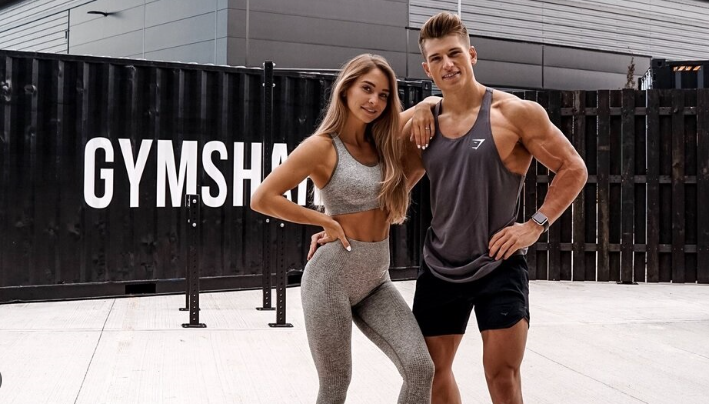
If you’ve ever tried on Gymshark leggings for a workout or donned their signature T-shirts for a run, you might have wondered: Where exactly do these workout essentials come from? The brand’s British roots and global recognition might make it easy to assume its gear is made right here in the U.K., but Gymshark’s manufacturing base extends far beyond that.
From high-tech sportswear factories in Asia churning out millions of pairs of seamless leggings to specialized European workshops producing limited-edition pieces, Gymshark’s production network is a meticulously crafted system designed to balance quality, speed, and convenience. Let’s delve deeper into these global hubs, where fabrics and innovations are transformed into the athletic apparel loved by fitness enthusiasts in over 230 countries.
What Is Gymshark?
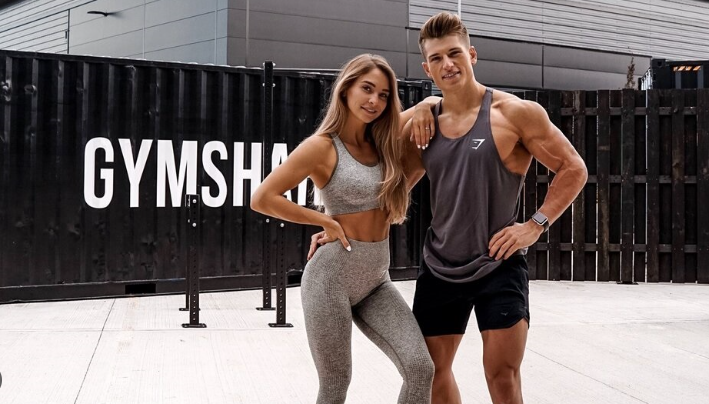
Gymshark is a major name in fitness clothes, but it had a very simple start. Ben Francis and Lewis Morgan founded it in 2012. They started the brand in a UK garage. At the time, Francis was a full-time student who also delivered pizzas. Morgan had a job in retail. They began with less than £1,000 saved up. Their first plan was to sell performance supplements online. Sales were slow, and it took several months to get a real order.
The founders soon knew they had to change their plan. They couldn’t afford to pay other companies to make their clothes. So, they bought a screen printer and a sewing machine. Francis designed, sewed, and printed their first gym clothes by himself. I believe this personal effort created the foundation for a brand that really cares about quality and being genuine.
Explosive Growth and Global Reach
What was the key to Gymshark’s fast growth? In my opinion, it was skipping retail stores. They connected right with customers on the internet. They sold straight to people and used social media and influencers to market their products. This strategy made Gymshark a global name. Today, in 2025, Gymshark has over 900 employees. It sells products to fitness lovers in more than 230 countries.
Who Owns Gymshark?
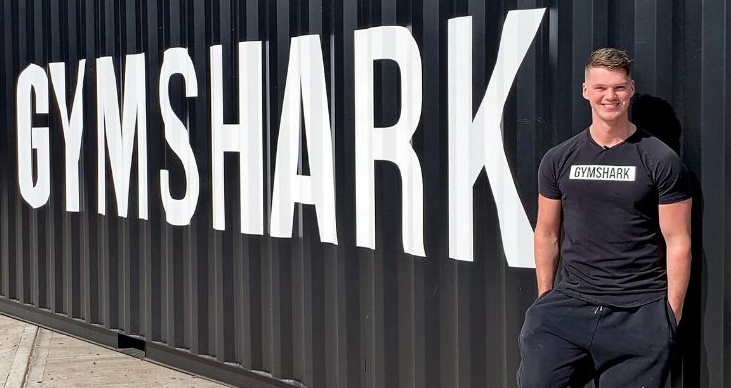
Ben Francis: Majority Owner
Ben Francis is more than the founder. He holds over 70% of Gymshark. This gives him control over the brand’s direction. By 2025, he became one of the youngest billionaires in the UK. In my experience, it’s rare for a founder to keep such a large stake in a company this big. This is very unusual in the competitive fitness clothing market.
-
Estimated stake: More than 70%
-
Valuation of stake (2023): About $1.2 billion
-
Role: Founder, CEO, key driver of Gymshark’s private, founder-led strategy
General Atlantic: Institutional Investor
In 2020, the investment firm General Atlantic invested in Gymshark. They took a 21% stake. This investment pushed Gymshark’s value past £1 billion for the first time. What I find interesting is that Ben Francis still kept complete control. Since that deal, the ownership structure has not changed. There have been no large sell-offs or new investors.
-
Estimated stake: 21%
-
Significance: Largest institutional shareholder, invested at £1bn+ valuation
-
Why it matters: Adds financial muscle, yet founder control remains strong
The Rest: Founders & Minor Investors
Beyond Ben Francis and General Atlantic, other founders and small investors own less than 9% of the company. Reports show no new major investors since the 2020 deal. Based on my experience, it’s uncommon for a growing company to have such a concentrated ownership.
Where Is Gymshark Clothing Manufactured?
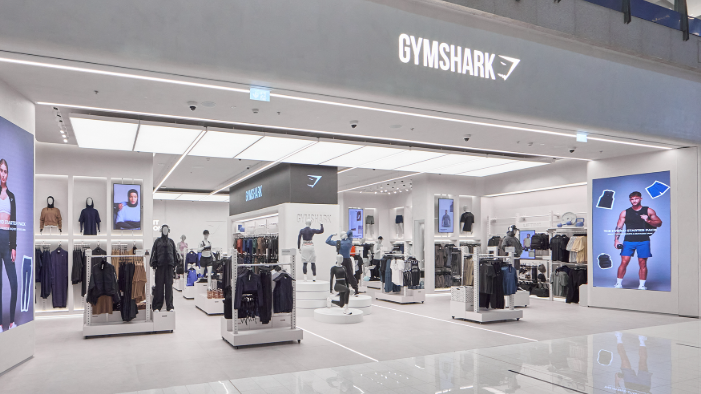
Worldwide Production Hubs
Gymshark’s clothes are not made in the UK, despite the brand’s British origins. Based on my research, most of their production is managed by OEM&ODM factories in Asia. This region is a major hub for high-quality textile work. The main production countries are:
-
China: Specialize in “end-to-end production” (from fabric sourcing and dyeing to cutting and sewing). They excel at handling synthetic materials (nylon, polyester) and produce Gymshark’s popular leggings and workout tops.
-
Vietnam: Known for precision manufacturing, Vietnamese factories focus on high-tech fabrics and technical designs, including seamless apparel and performance-driven pieces.
-
Bangladesh: Home to large-scale production lines, Bangladeshi factories mass-produce basics like affordable track pants and t-shirts, ensuring stable supply and cost control.
-
Pakistan: Supplements production with cotton-based items, supporting basic product lines.
I don’t think these countries are chosen by chance. They are leading activewear manufacturers . They offer large-scale production, skilled workers, modern machines, and good prices. This approach allows Gymshark to sell trendy, high-performance gear at competitive prices worldwide.
Premium and Quick Production in Europe
But that is not the whole story. Gymshark also uses certain European factories, mostly in Turkey, Portugal, and Italy. I have learned this is common for: Limited or high-end product lines. Items that need a fast turnaround or are made in small batches
So, why make any clothes in Europe? I believe it comes down to flexibility. Sportswear supplier in Europe help Gymshark react quickly to new style trends. This also helps them keep their premium quality on point.
Why Gymshark Doesn’t Own Factories
They partner with the best OEM and ODM service manufacturers. I think this is a smart business move. This gives them the flexibility to grow worldwide and keep prices competitive. They also avoid the high costs of running their own plants. In my experience, this model is common for smart brands. It allows them to focus on design and let manufacturing experts handle production.
Related Reading:10 Best Pink Custom Jordans Of All Time
Manufacturing Partners and Their System
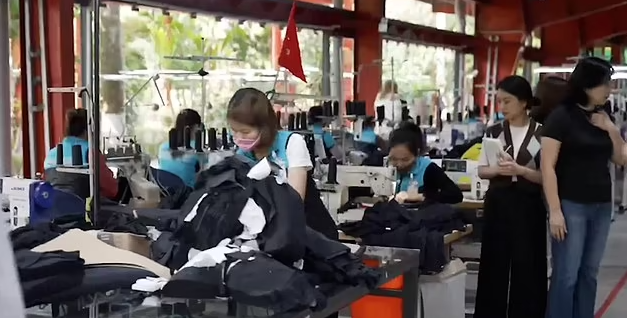
Key Manufacturing Partners
-
Jiangxi Mass Garment Co., Ltd. (China): This sportswear factory has a quality team of eight inspectors. They communicate quickly and fix problems on the spot. I think this ensures top-level reliability.
-
Shenzhen Leadshow Sports Tech (China): This partner excels at managing materials. They offer full traceability, so you know the origin of your workout clothes.
-
Guangzhou Moshengqi Technology (China): They are known for a strong material inspection process. This makes sure every item meets strict standards before it gets to you.
-
Nanchang Zmar Clothing Co., Ltd. (China): They have a large quality control team with ten dedicated inspectors. I believe this team guarantees quality through every production step.
Advanced Production and Custom Fits
Gymshark doesn’t just make generic products. I like that they insist on custom cut-and-sew production for everything they sell. This focus on fit and consistency is why their leggings, tops, and performance gear are so popular.
They achieve technical innovation by working with specialists like Eclat. Eclat provides advanced fabrics, such as nylon, polyester, and elastane blends. These materials offer the breathability, flexibility, and support that I feel athletes need.
Related Reading:The Secret Of Custom Golf Shirt Design: How To Get The Best Quality?
Gymshark’s Factory Standards: A Look at Quality, Ethics, and Sustainability
Certified Quality and Fair Labor Standards
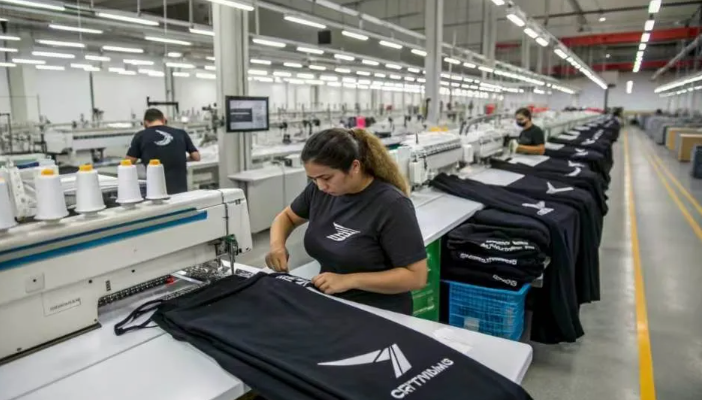
In my opinion, Gymshark is very selective about its activewear supplier partners. Their network must have ISO 9001 certification, which is the global standard for quality management. They also pass demanding BSCI audits. This is the industry benchmark for ethical labor practices. I feel this is more than just checking boxes. It’s about building real trust in their manufacturing.
Green Manufacturing and Ethical Materials
In 2023, 95% of Gymshark’s fiber mix included cotton (41%), nylon (22%), recycled polyester (22%), polyester (6%), elastane (6%), and recycled nylon (1%). The large amount of synthetic fiber helps with performance and gives that signature “second skin” feel. At the same time, I know this raises valid questions about its environmental impact.
-
Sustainable Packaging: I like that all Gymshark bags use FSC-certified paper with recycled content. The handles are now paper too, which makes recycling simple for you.
-
Managing Factory Waste: Gymshark’s factories use environmentally friendly recycling methods. They also work to reduce waste from production.
-
Water-Saving Technology: The textile industry uses a lot of water. I recommend paying attention to how Gymshark’s Chinese suppliers use water-saving tech. This is common in their dyeing and finishing, making your shirt easier on the planet.
Ethical Sourcing and Clear Processes
Their development team gives detailed tech packs to their manufacturers. These specify every measurement, fit, and finishing method. Factories then make multiple samples. The samples go through fit tests and are tested on live models before mass production starts.
-Advanced Seamless Production: For certain products, factories use special knitting machines. They also use setting and washing processes -that maintain high quality and efficiency.
-Traceability: Gymshark uses digital systems to track every stage. They monitor everything from the fabric source and dye lot to the final check.
-Transparency: The BSCI and other certifications can be verified. This proves that workers’ rights are protected and conditions meet global standards.
What Are Gymshark Clothes Made Of?
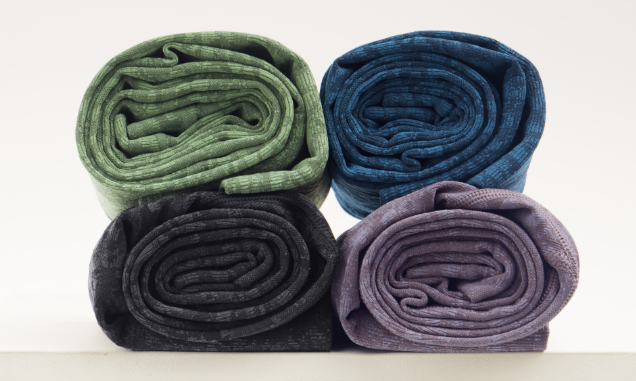
Gymshark’s fabric choices align with its focus on fitness functionality.
Cotton: 41% (used in basics for breathability)
Nylon: 22% (durable and stretchy, ideal for high-intensity workouts)
Recycled polyester: 22% (eco-friendly with moisture-wicking properties)
Polyester: 6% (wrinkle-resistant and quick-drying, common in performance gear)
Elastane: 6% (adds stretch for flexibility during exercise)
Recycled nylon: 1% (growing as part of sustainability goals)
Over 50% of Gymshark’s fabrics are synthetic, combining to create apparel that’s breathable, stretchy, and quick-drying—perfect for fitness.

Related Reading:Top 8 Reliable Custom Equestrian Clothing Manufacturers In France
Conclusion
Gymshark’s journey proves that great businesses come from passion, not big budgets. Starting in a garage with less than £1,000, Ben Francis and Lewis Morgan built a global empire by staying true to their vision. What inspires me most is how they kept control while scaling worldwide. Today, as I watch Gymshark continue to innovate in both design and sustainability, I’m reminded that success isn’t just about reaching the top—it’s about how you climb there and what you do once you arrive.
For custom sportswear or other search gym clothing manufacturers or activewear supplier for your business, contact us at Berunwear or [email protected] Let’s discuss how we can help your brand grow.