For anglers who depend on gear to stay dry, comfortable, and focused on the catch, the question of where their fishing apparel is made matters—especially when seeking gear tailored to their unique needs. When it comes to Simms Fishing Products—renowned for durable waders, technical innovation, and angler-centric design—this question has a clear, pride-filled answer: the heart of their manufacturing, including their work as a trusted custom fishing apparel supplier, lies in Bozeman, Montana.
From the first neoprene wetsuits that revolutionized cold water fishing in 1980, to the most advanced GORE-TEX® models tested on the Yellowstone River today, As a leading fishing apparel manufacturer, Simms has built its legacy on a commitment to Native American craftsmanship. This guide will detail its manufacturing roots, American-made products, the science behind its leak-proof design, and why Bozeman remains at the center of its operations. Whether you’re an experienced fisher or curious about the gear that powers your river adventures, here’s everything you need to know!
A Glance of Simms Fishing Manufacturing
|
Simms Manufacturing Quick Facts |
Details |
|---|---|
|
Facility Size (as of 2025) |
90,000 sq ft, Bozeman, MT |
|
Number of Employees (2025) |
~200 |
|
Yearly Revenue (2022) |
$100+ million |
|
Waders Made in USA? |
Yes, in Bozeman |
|
Parent Company |
Vista Outdoor (since 2022) |
|
Steps to Make One Wader |
150+ |
|
How Quality Is Checked |
Water leak testing |
Where Are Simms Fishing Products Made?
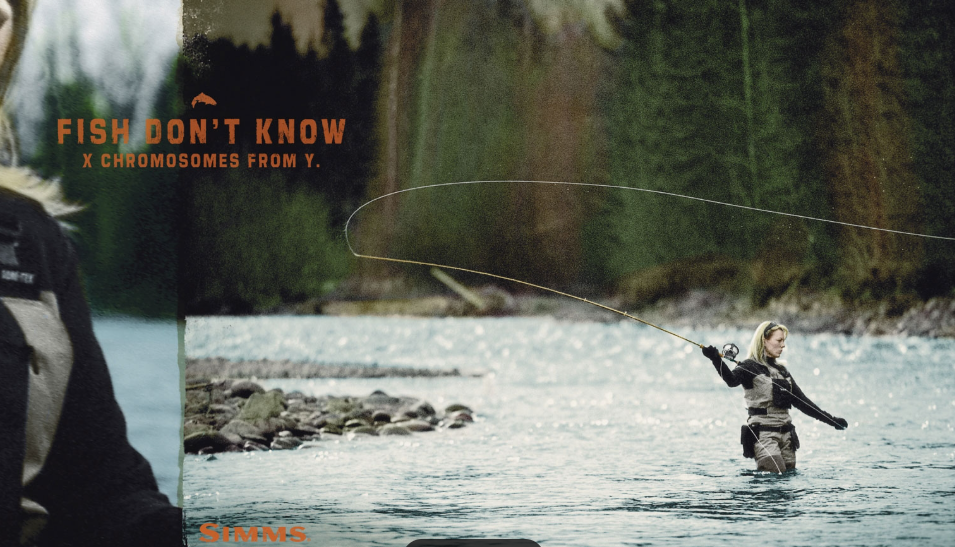
I’ve always been curious about where GORE-TEX® waders come from. It happens in a huge 90,000-square-foot factory in Bozeman, Montana. Inside, people and machines work together in a well-organized flow. They use enough fabric to block the Gallatin River. John Simms founded the company in 1980, bringing neoprene waders to the U.S. K.C. Walsh then moved the company to Montana in 1992. Based on my experience, Simms has since built its name on toughness, new ideas, and a deep love for fishing.
Quality Made in Montana
In my opinion, it’s impressive that Simms is the only company making fishing waders in the U.S. Their Bozeman headquarters keeps growing. It went from 62,000 square feet in 2013 to a planned 90,000 square feet for 2025. The location is more than just big. It’s right near famous fly-fishing rivers like the Madison and Yellowstone. This means they can take a new product from an idea to a real-world river test very quickly. I think that’s a huge advantage.

Related Reading:Top 10 Leading Pickleball Clothing Manufacturers In The US 2025
Company History and Manufacturing Commitment
I believe the story starts in 1980. John Simms was a fly fishing guide in Jackson, Wyoming. He looked at the cold water and his cold feet and asked a simple question: “Can’t we do better?” In my opinion, the answer was a clear yes. He created new neoprene products, like gravel guards. He also made the first neoprene chest waders in the U.S. This gear gave anglers warm and reliable equipment. It made winter fishing a real option. From my experience, he did more than keep people warm. He made the fishing season longer for everyone. This was a big change, not just a small equipment update. I think it changed fishing apparel forever. It made pros and casual fishers see new possibilities on the river.
-
Original Address: Jackson, Wyoming. I like to think it was so close to the trout you could hear them plotting.
-
Founder: John Simms. He also invented Croakies sunglass holders and the Life-Link ski patrol shovel. In my book, he was an outdoor problem-solving machine.
-
First “A-ha!”: 1980 neoprene chest waders. I think of them as wetsuits for people who prefer casting over surfing.
Milestones and U.S. Manufacturing Focus
-
2013: Simms moved into a huge 62,000-square-foot headquarters in Bozeman. To give you some perspective, that’s a massive space.
-
R&D, manufacturing, assembly: I find it impressive that it all happens under one roof in Montana. This means they build it all in one place. The team cares and understands how a wader should perform.
-
Workforce: 115 people work in Bozeman. I bet they are all judging my casting form when I’m out there.
-
“Made in America”: For Simms, I believe this is more than a slogan. The leadership is committed to keeping production in the U.S. They use quality materials and a hands-on method. I think this is what builds the brand’s great reputation.
What Simms Products Are Made in the USA? (And Which Aren’t)
The Stars of Bozeman: Gore-Tex Waders
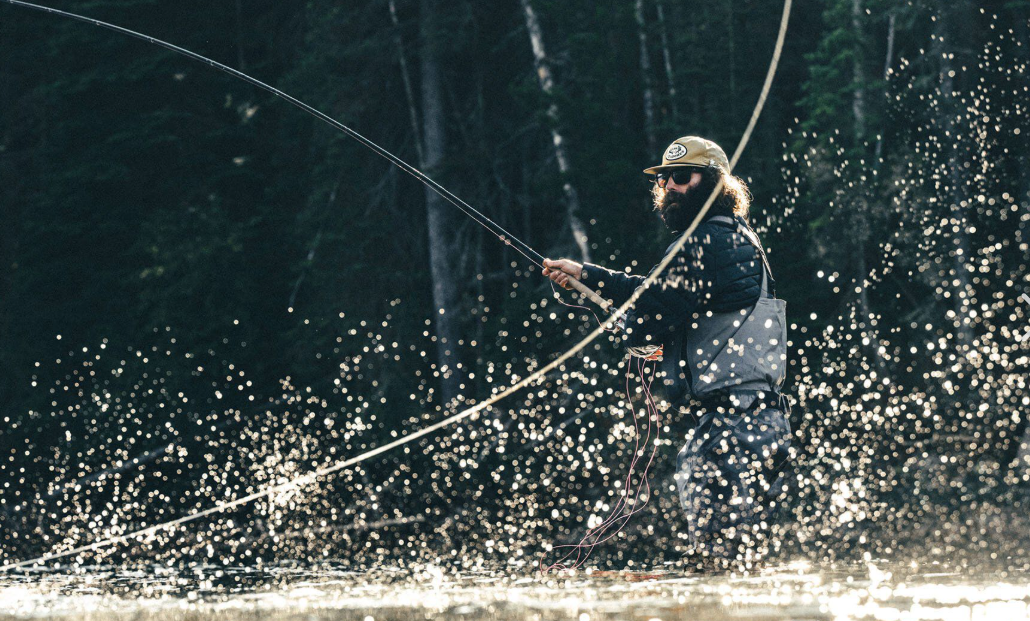
Let me be clear: If you want Simms’ top-tier waders, you’re getting a product made in the USA. From my experience, every pair of their Gore-Tex waders comes from Bozeman, Montana. This includes the popular G3, G4, and G4Z models. It also applies to their “Watershed” special editions that help fund conservation. What I find impressive is their exclusive license. Simms is one of just three companies in the world allowed to make Gore-Tex waders. They are the single company that makes them in the United States.
Flagship U.S.-Made Waders:
-
G3 Guide Stockingfoot Wader (Made in the USA)
-
G4 Pro Stockingfoot Wader (Made in the USA)
-
G4Z (zippered) Wader (Made in the USA)
-
Special Edition “Watershed” charity waders
Imported
If you’re looking for a Simms fishing shirts, fishing jacket, or hat, I recommend checking the tag. In my experience, these items are usually made overseas. This also applies to gloves, base layers, and most travel gear. Simms focuses its Montana craftsmanship on its most important technical gear. This means premium waders and select boots are made stateside, while other apparel comes from international partners.
Example breakdown:
– U.S.-Made: G3, G4, G4Z waders; select boots & accessories
– Imported: Most jackets, hats, shirts, gloves, casualwear
How Simms Fishing Puts Science Into Every Wader
From Raw GORE‑TEX Rolls to River Armor
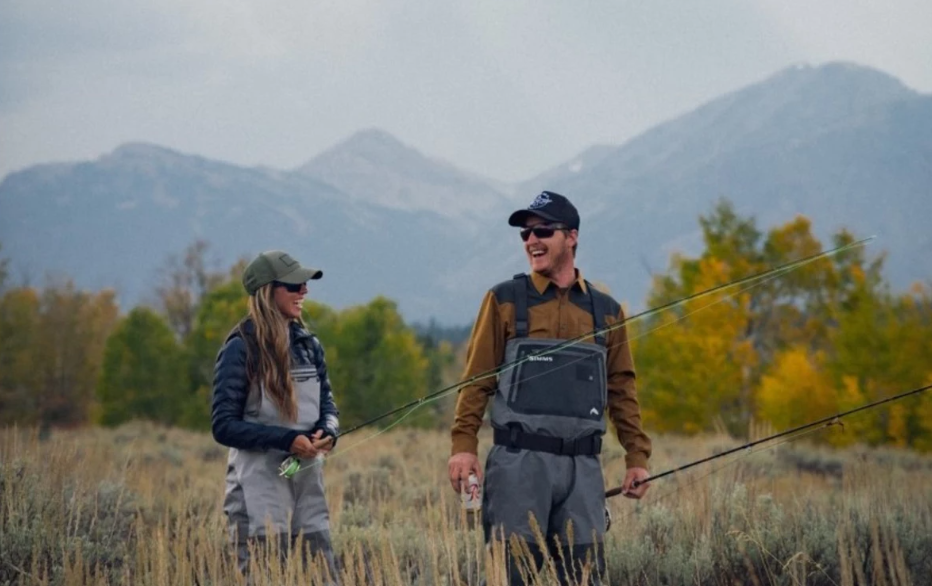
Everything begins with blank rolls of GORE-TEX fabric. I think of it as a superhero cloth that repels rain. They put every batch of this material through tough testing.
* Lab tests
* Field tests
* Even some “Can a trout fin slice this?” experiments.
A material must pass all tests before it enters production.
A 150‑Step Engineering Puzzle by People
Next, a team of skilled craftspeople in Bozeman starts to cut, sew, and assemble the wader pieces. Making a single wader is a serious task. Each pair requires over 150 steps. That’s more steps than most IKEA furniture assembly, and you get far fewer leftover parts.
The wader then moves along a mini assembly line. This line is staffed by about 20 to 30 people. Each person performs a specific job. One person cuts the fabric, while another double-checks a seam.
Seam Sealing
Here is where physics comes into play. Sewing needles create millions of tiny punctures in the GORE-TEX. To fix this, Simms uses pneumatic pinchers and hot air to seal every seam. Imagine powerful heat guns and special tape. The adhesive tape bonds so well that it’s hard to find any weak points. They add extra layers in high-stress areas. They also use special taping where the fabric joins the neoprene stocking feet.
Customization and QC Gauntlet
To finish, specialists add the important parts: buckles, suspenders, gravel guards, stocking feet, and more. Each addition is functional and personal. I believe the goal is to create waders that fit perfectly with great attention to detail.
Then comes what I call the final exam. An inspector turns every single wader inside out, fills it with water, and checks for leaks. If one drop escapes, the wader fails. To give you some context: during one long production period, customers returned one pair for defects out of many thousands produced. You are more likely to be struck by lightning than to get a leaky Simms GORE-TEX wader.
Related Reading:Wholesale fashionable workout leggings for online Shopify/Amazon retailers in UK
Additional Notes and Recent Developments
Vertical Integration
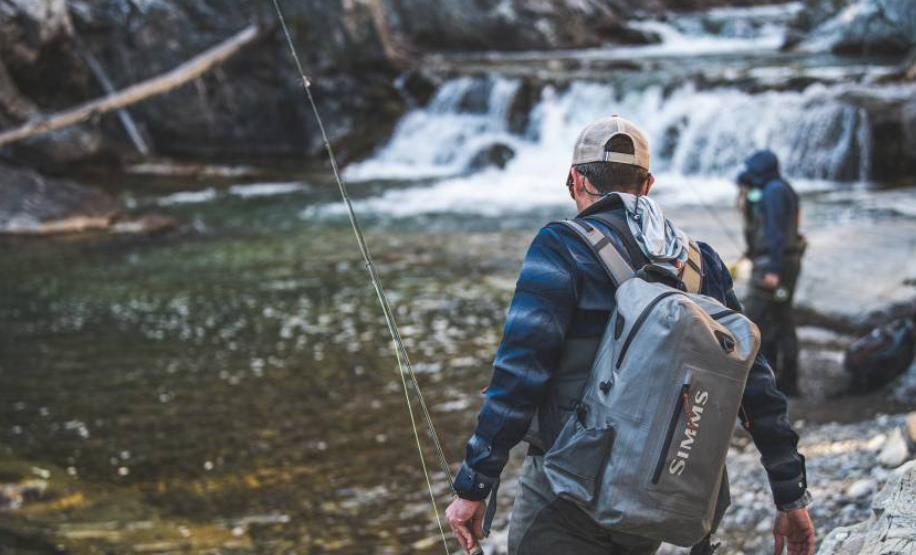
From what I can tell, Simms does almost everything in its Bozeman facility instead of shipping parts overseas for sewing. The people who design the waders work just a short walk from the people who sew and test them. If a team member has an idea to move a seam or upgrade fabric, they don’t need a carrier pigeon to share it. In my opinion, this setup creates a great feedback loop.
* It lets them spot problems right away.
* I think it helps everyone work more efficiently.
* It likely helps them sleep better, unless they’re dreaming about product flaws.
Quality Control
Have you ever filled your waders with water to find a leak? Simms employees do this for every single pair. Each wader must pass what I’d call a “reverse aquarium” test. They turn it inside out, fill it with water, and check for any drips. If water escapes, that wader goes back to the line. No leaks means it’s ready for the river. A tip from my experience: if the Simms team says an item is waterproof, they mean it.
Using Data and Feedback Loops
I think it’s smart that the company has an in-house repair center and testing lab. This allows them to gather feedback from real-world use. For example, a customer might report, “My waders met a sharp branch and lost.” These cases provide immediate lessons. The insights lead to production changes and future upgrades. From my perspective, Simms studies why things fail so it can build newer gear that’s even harder to break.
Continuous Improvement, Still No Leaks
What I think matters most is Simms’ focus on U.S.-built waders. They seem to do every part of the process in that one giant, waterproof building. They are constantly improving their assembly line and gear. Then, they ship these leak-tested products all over the globe. It’s like rocket science, but for rivers and with more neoprene.
Related Reading:List of 10 best wholesale personalised tracksuit manufacturers in Australia
Conclusion
When I think about what sets Simms apart, it’s not just the Montana-made label or the 150-step process. It’s the fact that every pair of waders leaving that Bozeman facility carries the passion of people who truly understand what it means to stand in cold water, chasing the perfect cast. In a world where manufacturing often follows the cheapest path, Simms chose the harder road – keeping production at home, testing every seam, and never compromising on quality. That commitment doesn’t just keep you dry; it keeps the craft alive.
To learn more about custom fishing jackets, fishing shirts or wholesale fishing apparel, please visit BERUNWEAR or email [email protected]. Explore fishing apparel customization options today and hit the water with gear as unique as your fishing story. Your next catch deserves gear made just for you!