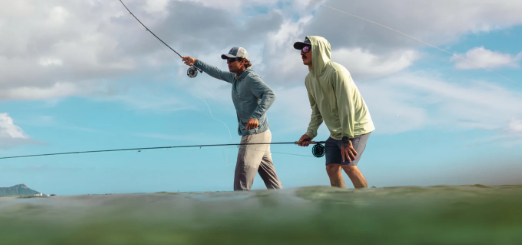
The global fishing apparel market is projected to reach $5.54 billion by 2032, but how can one capture a share of this growing market segment? For entrepreneurs, entering the competitive fishing apparel industry requires not only partnering with reliable fishing clothing manufacturer and producing high-quality products, but also strategic market research, precise market segment selection, and a deep understanding of angler needs.
This comprehensive analysis delves into the latest market data, consumer segmentation, and innovation trends to help you identify high-opportunity market gaps and build a distinctive fishing apparel brand. Whether you’re launching a new product line or expanding your portfolio, these data-driven insights will guide your strategy in a market where technical performance and sustainability are no longer optional.
Fishing Clothing Market Research and Niche Selection
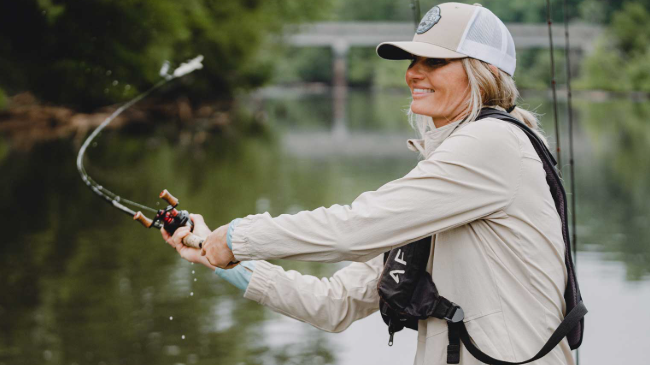
From my experience, if you want to enter the fishing clothing market, you need a clear plan. You have to watch the data and trends closely. The market is growing steadily, thanks to interest from both sports and casual fishers. Market reports show the fishing clothing part of the market is worth about USD 4.04 billion (2025). I see this growing to USD 5.54 billion by 2032. That’s a strong growth rate of 4.6% (CAGR). If we look at all fishing wear, the market could reach USD 5.8 billion by 2033.
Understanding Market Segments
Fishing trousers are the biggest seller. They hold over 33.5% of the market share for 2025. This shows me they are essential for protection and can be used in many situations.
I believe other key items are shirts, jackets, hats/caps, and hoodies. You also need sun-protection clothing and technical base layers. Good ones are often made from fabrics that dry fast, block UV rays, and keep insects away.
Leading Brands & What You Can Learn
Look at Columbia Sportswear, Shimano, Costa Del Mar, Aftco, Offshore Apparel, Pelagic, HUK, Under Armour, and Patagonia. They are the leaders. These brands succeed by making high-tech gear and using smart marketing. They are always creating new things. This makes it challenging for new companies to compete.
Target Customer Segments
– Pro fishers and tournament anglers: In my experience, they want top-of-the-line, high-performance fishing equipment.
– Families & casual fishers: They are looking for gear that is comfortable, safe, and works for different activities on the water.
– Eco-conscious buyers: This group is getting bigger. They prefer gear made from sustainable and lightweight materials.
Product Trends and Innovations
I recommend you pay attention to the features that make products stand out:
– Use lightweight, moisture-wicking, and quick-drying fabrics. This keeps people comfortable all day.
– Include built-in UV protection and insect-repellent technology. I see these as standard features now, not extras.
– Use green manufacturing methods and materials. This appeals to people who care about sustainability.
– Focus on online sales and e-commerce. My analysis shows it’s easier than ever to launch a specific product line online.
Related Reading:The 8 Hottest Designs of Custom Car Embroidered Hoodies
Building a Standout Fishing Apparel Brand
Developing an Authentic Visual Identity
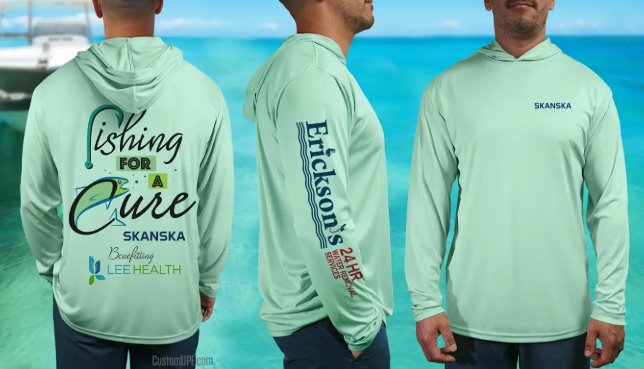
Nature-Inspired Logos: I suggest using fish icons, water elements, or adventure graphics. This connects your fishing clothing brand to the outdoors and instantly shows customers what you are about.
Customizable Designs: I recommend offering choices for personalized gear. Think about custom art of favorite fish or unique lure designs. This approach doesn’t just make a product. It creates a story your customer feels part of.
Color Palettes and Typography: You could select deep blues, greens, or even simple black-and-white themes that certain anglers prefer. I find that strong, dependable fonts project the tradition and trust people expect from fishing brands.
Vintage Graphics: In my opinion, adding a retro feel creates a sense of history. This can make even a new brand feel established and worthy of trust.
Crafting a Mission That Connects
Today’s buyers want to support brands with a purpose. I think a mission-driven brand builds true loyalty. For example, AFTCO is a great model. They give 10% of profits to marine conservation. This simple act attracts customers who care about the environment and makes AFTCO stand out. I’ve seen other brands find their mission in other ways. Some support local fishing communities. Others focus on creating better gear or making quality clothing affordable for all.
Value Pillars of Top Fishing Clothing Brands
Use recycled fabrics and ethical production. This is essential now, as buyers look for fishing apparel manufacturer that protect the environment. I think it’s a good idea to create some product lines for beginners. This makes the brand welcoming to newcomers and families.
You should add features like moisture-wicking fabric, UV protection, and insect-repellent material. These aren’t extras anymore; they are expected.
Branding Trends and Customer Expectations
I’ve noticed a clear pattern in branding today. Fishing clothing brands that use storytelling and have a strong mission create more loyal customers than those that focus on looks. Custom fishing apparel designs and earth-friendly production are the new standard. Customers expect these from brands they support.
Creating Unique and Market-Ready Fishing Apparel
Choosing Performance Fabrics
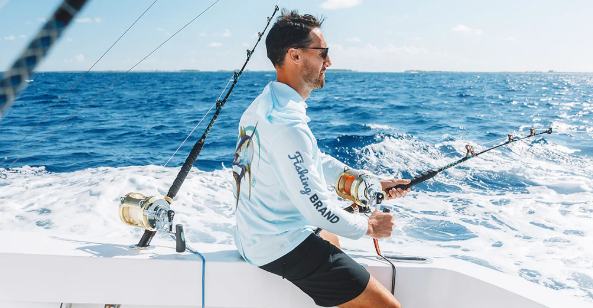
Most top fishing apparel suppliers choose fabrics like polyester or nylon blends. Why? They are tough, pull moisture away, dry quickly, and resist salt and sun. Today’s buyers expect this. If you are targeting the eco-conscious market, which is getting bigger, I suggest you find manufacturers who offer recycled or sustainable textile options. This is becoming a standard. I think using sustainable materials helps the planet and also improves your brand’s story.
Strategic Logo and Branding Placement
Where your logo goes is as critical as how it looks. I recommend using the upper left chest, center chest, back, and sleeves for logos on fishing shirts. I’ve seen brands like Logo Unlimited add extra touches like neck labels, hang tags, and custom tags. This makes every detail feel intentional. These might appear to be small details, but they show professionalism and build customer trust.
Customize Designs for Different Fishing Lifestyles
I would offer practical product options for every main type of angler:
– Tournament Fishing: I suggest lightweight, vented tops with antimicrobial finishes. These are built to handle long sessions and keep anglers feeling fresh.
– Casual Angling: You could offer comfortable shirts and hoodies that have extra sun and bug protection. These are perfect for family days out on the water.
– Winter Layering: I would design technical base layers, fleece mid-layers, and waterproof outer shells. They need to stand up to cold and wet conditions.
– Lifestyle Crossovers: Think about UV-protective hoodies or stylish branded hats. They should look great at the dock and in town.
I feel Whitewater Fishing’s Pro Jacket is a great example. The company spent two years on research and development. They gathered constant feedback from tournament anglers. This led to outerwear that truly protects against the worst weather.
Customization Techniques
A great fishing shirt is more than just fabric and a logo. I’ve found manufacturers offer several customization methods:
– Screen printing is what I recommend for bold, detailed designs on large orders.
– Embroidery gives a premium, lasting touch. It works well for logos and slogans.
– Heat transfer is a good option for smaller orders or designs with photo-like details.
– If you target a niche market, I suggest custom marine art or angler-specific graphics. These can create unique retail and tournament items.
You can even add more. Embossing or debossing creates a high-end, tactile finish on your gear.
Custom Options Table
|
Feature |
Typical Choices |
Decision Factors |
|---|---|---|
|
Fabrics |
Polyester, nylon, eco-blends |
Comfort, UV resistance, market |
|
Logo Placement |
Chest, sleeve, back |
Marketing, visibility |
|
Customization |
Screen print, embroidery, transfer |
Look, feel, budget |
|
Sleeves |
Short, long, raglan |
Climate, activity |
|
Collars |
Crewneck, polo, zip |
Brand vibe, customer preference |
|
Personalization |
Names, team, custom art |
Adds competitive edge |
Unlocking Advanced Customization
When you want to add more unique touches, manufacturers can help you fine-tune features. You can choose pocket placement, unique sleeve lengths, custom collars, and even 3D fabric treatments like embossing. From my point of view, these changes do more than just improve the look—they make your gear more functional and memorable.
To sum up, getting your fishing apparel right means mixing quality materials with great branding and a supportive fishing clothing manufacturer. I think the goal is clear. Every shirt and hat should have the right feel, and your logo must be in the perfect spot. This will make your brand stand out on and off the water.
Find the Right Fishing Apparel Manufacturer
Understanding Fishing Clothing Manufacturer Types and MOQs
For a quick and low-risk start, I recommend private label fishing apparel manufacturers. You can add your brand to their existing clothing. Many Asian fishing apparel suppliers offer this with minimum order quantities (MOQs) of just 300–500 units. If you want a unique product, you need full custom manufacturing. This lets you create your own designs. However, the MOQ often increases to 500 units. The production cycle also takes about 30–45 days.
Production Capacity & Advanced Technology
In my experience, successful brands don’t risk using factories with outdated methods. I suggest you look for suppliers with modern tech like:
– Seam-sealed waterproofing machines
– Laser cutting
– 3D prototyping
This technology improves accuracy by 20%. It also cuts expensive errors by up to 50%. I’d also look for automated production lines and ERP tracking. This is how the best suppliers achieve a 98% on-time delivery rate, even on orders from 500 to 1,000,000 units.
Expertise in Fabrics & Products
Good manufacturers offer high-tech fabrics. Think Gore-Tex and UPF 50+ recycled polyester. These materials have a 95%+ performance success rate. Sustainability is also very important now. I’ve seen eco-friendly materials like bamboo shirts make up 95% of a brand’s collection. The best manufacturers create fabrics with 10–20K mm waterproofing and 8–15K g/m²/24h breathability.
Certifications and Quality Metrics
I believe certifications like ISO 9001, bluesign, BSCI (A-level), and ASTM are crucial. They show that 95–98% of the products meet top quality standards. You should always check for specific features. I suggest looking for 10,000–20,000 mm waterproofing, abrasion resistance that is 20% above the average, and protection from odors and stains. A warranty of at least 2 years is also a great sign.
Fishing Apparel Customization and Design Support
I recommend avoiding generic gear. The best factories offer OEM/ODM options:
– ODM gives you ready-made designs. This is fast with 90% accuracy.
– OEM is full custom work. It helps your brand look unique, even if it’s slower.
These factories can help you with 3D modeling. This cuts the sample creation time by 50%. It lets you try out new styles more quickly.
Ability to Scale With Your Growth
Having a global reach is important. For example, a factory like BOWINS has a 24,000 m² facility in China and plants in Cambodia. They serve over 60 countries. This shows you can start small and grow your production fast. This kind of flexibility is very valuable as your orders get bigger.
Related Reading:Where To Find Custom Embroidered Hoodies With No Minimum Order?
Turn Your Fishing Apparel Line Into a Standout Brand
Target Trending Segments for Growth
Eco-Conscious Shoppers: I believe sustainability is a must-have today. You should use recycled materials and biodegradable fabrics. Make sure you show off your green manufacturing process. Look at Patagonia; they’ve used recycled materials since 1993. When you share your green efforts, you build trust and attract buyers who care about the planet.
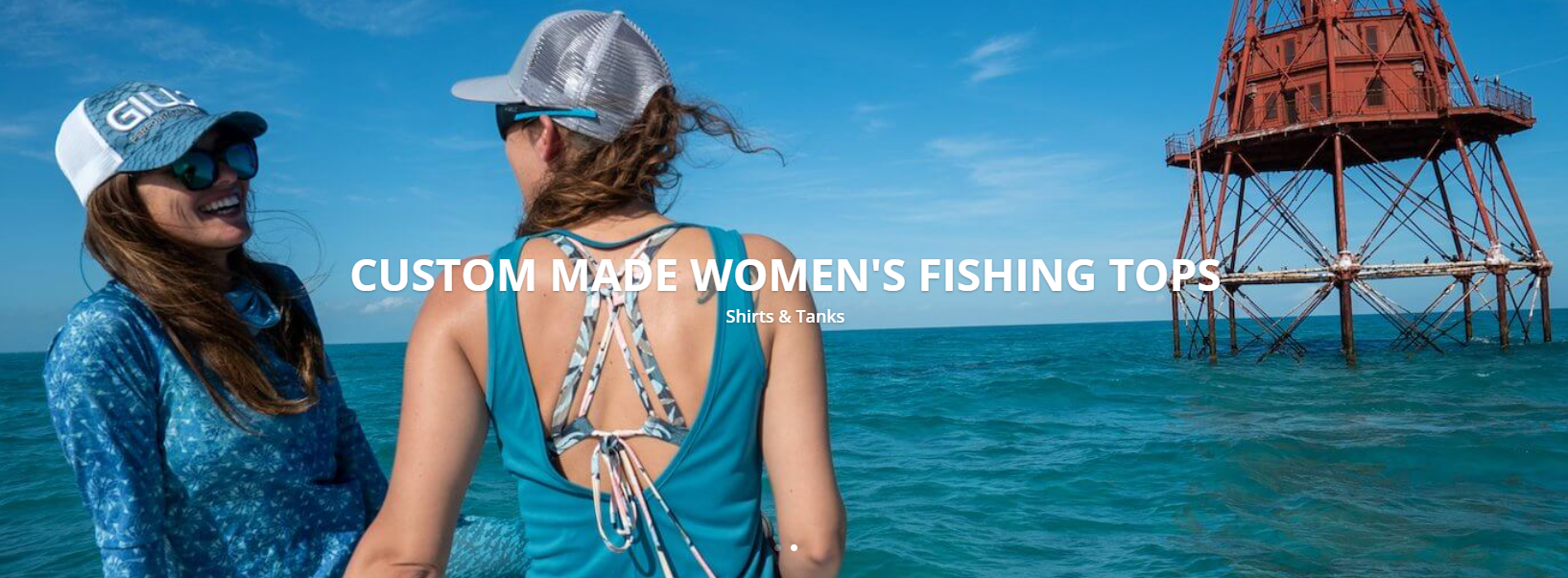
Women Anglers: The number of women in fishing is growing fast. I see brands offering bikinis, leggings, and UPF sun shirts just for them. I recommend creating marketing and products specifically for women to help you grow faster.
Product and Accessory Sales Tactics
I suggest focusing on proven best-sellers:
– Fishing neck gaiters (sales increased after COVID)
– Straw hats, technical fishing hats
– Accessories—socks, towels, tools
– Backpacks, duffels, fishing shorts
– UPF shirts on sale
– Items made for women
I also recommend you promote these items in bundles. You can also create limited-edition drops. This creates urgency and helps you sell more per customer.
Proven Fishing Apparel Branding Strategies
Your brand needs a strong purpose. Things like sustainability or local conservation can make you stand out. I find that customers connect with stories and values. For instance, tell people you donate to marine preservation. Talk about how you support sustainable fishing. This builds loyalty that goes beyond just how your gear looks.
Show off what makes your products special. Talk about your advanced fabric tech, UPF ratings, or unique cuts for women. I recommend putting these features on your website’s front page, in product details, and in your social media posts.
You need to talk to your customers. Listen to what buyers say. Launch prototypes and then improve your products based on their feedback. Based on my experience, this is how top brands stay ahead. Customers who feel heard will become your biggest supporters.
Fishing Apparel Marketing That Wins
-
Sponsor Tournaments & Events: I suggest connecting your brand with major fishing events. This gives you great exposure to your target audience. It’s a key strategy for building authority and meeting customers face-to-face.
-
Partner With Influencers: You should work with fishing personalities on Instagram, TikTok, and YouTube. Their reviews and posts can quickly show your products to new buyers who are ready to purchase.
-
Smart Digital Campaigns: I recommend buying online ads that target fishing keywords. You should even target your competitors’ brand names. This helps you catch customers when they are searching for gear or ready to buy.
-
Build Strong Social Communities: Use your social media to create a community. I’d mix in technical tips, conservation news, and stories from your customers. Building this community keeps people engaged and loyal for the long haul.

Related Reading:Top 10 Best Basketball Clothing Brands in 2025
Conclusion
Looking back at this journey into the fishing apparel market, I feel excited about the opportunities ahead. The data shows clear growth, the customer demand is real, and the path to success is becoming clearer. What strikes me most is how this isn’t just about selling clothes—it’s about joining a community that values quality, sustainability, and the love of fishing. Whether you’re starting fishing clothing line with private label options or dreaming big with custom manufacturing, the key is staying true to what anglers actually need. I believe that with the right approach, dedication to quality, and genuine care for the fishing community, anyone can carve out their own successful space in this growing market.
To learn more about bespoke fishing apparel supplier, wholesale fishing clothing manufacturer and private label fishing clothing supplier, please visit Berunwear or [email protected] to contact us.