Nuair a tha thu a 'taghadh aodach spòrs for your next yoga class or high-intensity training, are you always hesitant between “bamboo rayon” and “polyester”? One comes with the label of “natural and environmentally friendly”, and the other seems to be born “durable and easy to take care of”. What is the difference between them and how to choose?
Mar phroifeasanta solaraiche aodach spòrs àbhaisteach, we deal with various fabrics every day and know their characteristics well. Next, we will analyze these two mainstream sports fabrics for you from multiple dimensions such as raw materials, production processes, performance, and environmental protection to help you find the one that suits you best.
What Is Bamboo Rayon?
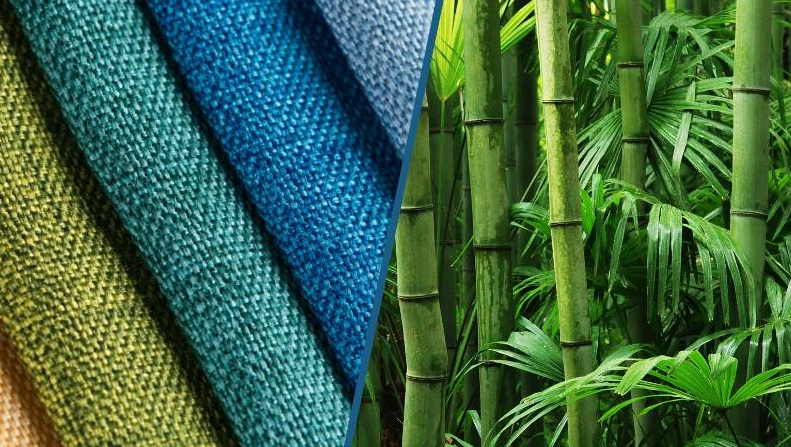
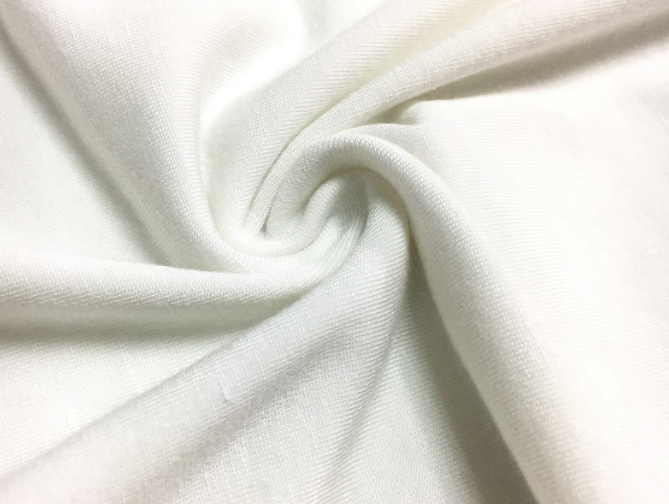
Bamboo rayon is a semi-synthetic fiber. It’s made from the cellulose inside bamboo plants. The process starts by taking the soft inner pith and leaves from the bamboo stalks. Manufacturers then break these parts down in an alkaline solution. I find that sodium hydroxide is a common choice for this. This chemical bath softens the bamboo parts and makes a pulp, which is ready for the next step.
In the next stage, the pulp gets a carbon disulfide treatment. I know this step as the viscose process. This creates a thick, syrupy solution. This solution is pushed through tiny nozzles, called spinnerets. It comes out as soft threads of regenerated cellulose. Workers then spin these threads into yarn. This yarn is what they weave or knit to create the final fabric.
Prìomh phuingean
-
Stuth Bun-sgoile: the key material is the soft inner pith and leaves of bamboo.
-
Manufacturing: The process uses a lot of sodium hydroxide and carbon disulfide.
-
Difference From Bamboo Linen: Bamboo linen is made using machines and keeps bamboo’s natural feel. Rayon, however, is created using a chemical process.
Leughadh co-cheangailte:Dèanadair as fheàrr de ghèamaichean amhach suaicheantas àbhaisteach le prìsean mòr-reic ann an Sìona
Comparison of Bamboo Rayon and Polyester
|
seilbh |
Raon bambù |
Polyester |
|---|---|---|
|
Breathability |
air leth |
cuibheasach |
|
Smachd taise |
Absorbs and wicks well |
Wicks, dries fast |
|
Frith-aghaidh fàileadh |
Fights bacteria, stays fresh |
Can hold onto odor |
|
Durability |
Strong, needs gentle care |
Very tough, easy care |
|
Eag-chàirdeas |
Seasmhach, bith-mhillidh |
Synthetic, non-biodegradable |
|
machado |
Sìoda, hypoallergenic |
May feel rougher, less soft |
|
Maintenance |
Hand-wash or gentle cycle |
Toss in with anything |
|
cosgais |
Investment piece |
Cosgais nas ìsle |
Seasmhachd & Buaidh Àrainneachdail
Bamboo rayon comes from a plant that grows extremely fast. This fast growth uses far less water than other crops. I find it important that bamboo also grows well without harmful pesticides. It’s a renewable resource, so it can be harvested in a way that lets it regrow quickly. This makes it a very sustainable choice in my book.
Another great thing is that bamboo fabric is bith-chonnadh. It breaks down on its own, which helps reduce waste in landfills.
Polyester, however, is a much different case. It is a fiber made from petroleum, which is crude oil. This resource took millions of years to form. The environmental consequences are major:
-
Gabhaidh e up to 200 years to break down ann an lìonadh-fearainn.
-
The manufacturing process uses a lot of lùth bho chonnadh fosail.
-
When you wash polyester, it sheds microfibers. These contribute to truailleadh microplastic nar cuantan.
Comhfhurtachd & Faireachdainn
Riaghladh Breathability agus Teòthachd
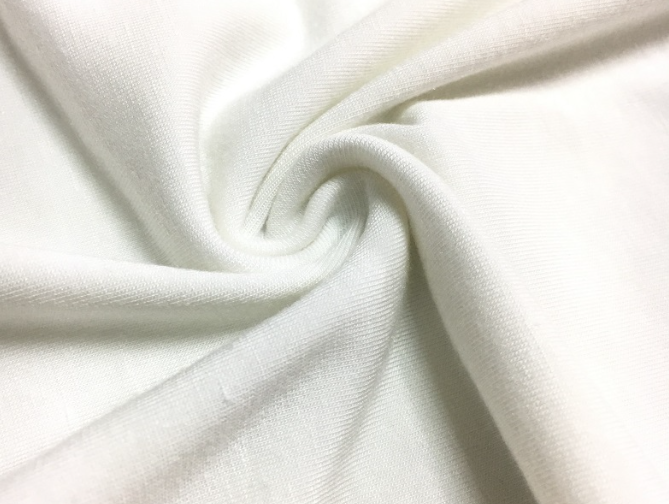
A huge advantage I’ve found with bamboo rayon is its breathabilityAn t-aodach hollow fiber structure improves airflow. This design promotes great taise-wicking, pulling sweat away from your skin.
Stuth agus bog
Tha inneach sìoda of bamboo fabric is something I always appreciate—it is softer than cotton! What’s even better is that the material gets softer with each wash, improving its comfort over time.
On the other hand, I’ve found that polyester fibers can lose their softness. They often become rough or create static cling after being washed many times.
Feartan antimicrobial
Bamboo rayon also has antimicrobial and odor-resistant properties. This built-in quality helps fight bacteria and unpleasant smells. For me, that’s a critical feature for any èisg gnìomhach.
Prìomh choimeasan:
Bamboo Rayon:
-
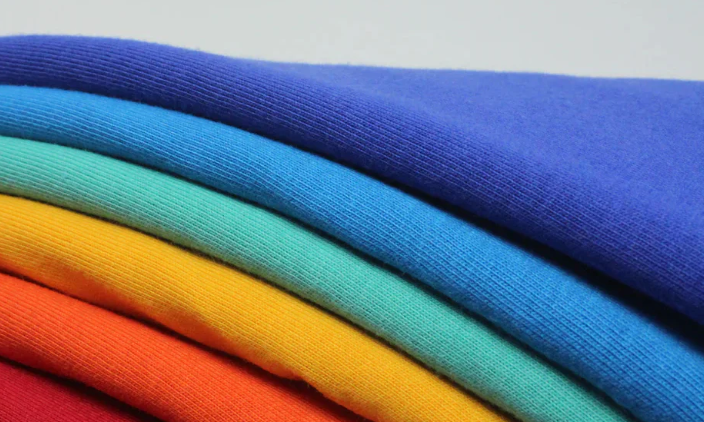
Bog agus hypoallergenic
-
Excellent at breathing and wicking moisture
-
Keeps you cool during tough workouts
-
Fights microbes and odor
-
Gets softer with every wash
Polyester:
-
Durable but not very soft
-
Breathes poorly, often trapping heat and sweat
-
Prone to holding odor and bacteria
-
Not hypoallergenic and can irritate skin
-
Loses softness over time
Gus geàrr-chunntas a dhèanamh air, tha mi a’ creidsinn bamboo rayon is a far better choice for activewear comfort compared to polyester. It performs better in breathability, softness, moisture control, and skin sensitivity. If you want to be comfortable during your active lifestyle, I recommend bamboo rayon. It’s the superior option.
How Fabrics Handle Sweat & Airflow
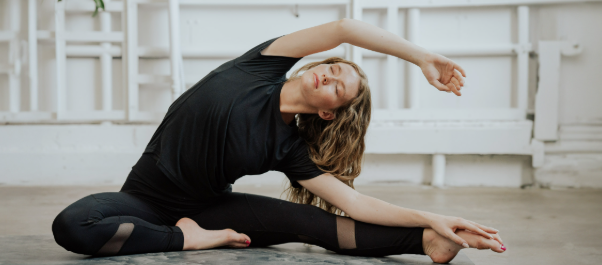
When I pick activewear, I look at two main things: how well it wicks moisture and how breathable it is. These features really change how fabrics like bamboo rayon and polyester feel when you’re active.
From my experience, polyester is great for wicking moisture. This man-made fabric pulls sweat away from your skin, letting it dry on the surface. This helps keep you dry and comfortable. I find this especially helpful during a hard workout. I also like that polyester is light and keeps its shape after many washes.
On the downside, I’ve noticed it can trap heat, so it doesn’t breathe as well as natural fabrics. Another thing to watch for is that it can hold onto odors if you don’t wash it well.
Bamboo rayon. I find its moisture-wicking ability comes from its natural hollow fiber structure. Because of this design, the fabric can absorb up to three times its weight in water and still not feel wet. It pulls sweat away from the body, which then evaporates fast.
I also think bamboo is very breathable. It provides great air circulation and helps control your temperature. Its antibacterial nature helps keep the fabric fresh, which cuts down on odors.
Leughadh co-cheangailte:Seacaidean nylon vs polyester: Dè an stuth a tha nas fheàrr dhutsa
Seasmhachd & Cùram
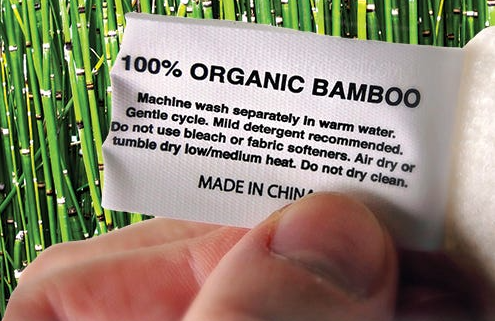
Care Instructions for Bamboo Rayon
To keep your bamboo rayon activewear in great shape, I suggest following these simple care tips:
- A 'nighe: Use a gentle machine wash with a mild detergent.
- A 'tiormachadh: I recommend a low-heat tumble dryer or air drying to protect the fabric.
- Seachain: Do not use bleach or fabric softeners because they can damage the fibers.
If you care for it correctly, bamboo clothing can last 3–5 bliadhna, based on how often you wear it. When it’s time to get rid of the fabric, you can feel good knowing bamboo is bith-chonnadh. It will break down on its own, which has a much smaller environmental impact than synthetic materials like polyester.
Comparison with Polyester
Polyester is also easy to care for, but there are some differences. It needs a cold or lukewarm wash and low-heat tumble drying. I recommend being cautious, as polyester can shrink if you expose it to high heat. While it is seasmhach, I’ve found it tends to lose its shape after many washes or wears, which is a common issue in activewear.
Which Is Better for Activewear?
Have you ever stared at a rack of workout clothes, unsure about bamboo rayon or polyester? I know I have. Many people like both fabrics. The best choice for you depends on what you value most. Are you looking for comfort, sustainability, or something that lasts through tough workouts?
The Honest Verdict: Tailor Your Choice to Your Life
-
Bamboo rayon if you want soft, breathable, and eco-friendly gear. It’s perfect for lighter workouts like yoga or when comfort is your top priority.
-
Polyester if you need tough, easy-to-care-for gear that can handle intense training and frequent washing.

Leughadh co-cheangailte:10 Rabhaidhean airson a h-uile neach-tòiseachaidh aodach spòrs: Mus tagh Luchd-saothrachaidh Aodach Spòrs
Co-dhùnadh
For Earth Day 2025 and beyond, I recommend that people who care about the environment and comfort should try bamboo rayon. For those who do high-impact training and need gear that is super durable, polyester is still a solid choice. The decision comes down to your personal priorities. I suggest you choose what’s best for your body, your workouts, and the planet.
As a experienced custom activewear supplier, we know that everyone’s sports needs and preferences are different. Whether you prefer natural skin-friendly, tough and durable, or other Performance Fabrics, we can provide you with one-stop customization services. Cuir fios thugainn to start your exclusive Sportswear customization journey.