The world of equestrian sports is more than just passion and precision; it’s a thriving ecosystem of fashion and innovation. If you’ve ever dreamed of turning your love of horses and fashion into a tangible business, now is the time. Launching an equestrian apparel brand is an exciting venture, but it requires careful planning, a deep understanding of your audience, and, most importantly, a partnership with a reliable equestrian clothing manufacturer. This comprehensive guide to 2025 will guide you every step of the way, from initial ideas to finding the ideal production partner and taking your brand global.
Understanding the 2025 Equestrian Apparel Market
The Major Market Drivers to Watch
Surging Participation: I’ve seen that equestrian sports are becoming more mainstream. More female riders and younger people are getting involved. They want gear that is both stylish and safe.
Leisure and Lifestyle: More people are riding for fun. As this happens, safety becomes a bigger concern. I’ve noticed this increases the need for special equipment, even for non-competitive riders.
Technology That Performs: I recommend watching for more maalamon nga mga panapton ug wearables. This includes things like moisture-wicking shirts and high-visibility safety gear. I’ve even seen smart riding breeches. Riders now want gear that offers top comfort and performance.
Ang pagkamalungtaron dili ma-negosya: From my experience, being environmentally friendly is no longer optional. It’s a standard expectation. I see brands succeeding when they use organikong gapas ug gi-recycle nga mga panapton.
Customization on the Rise: Personalization is changing everything. I believe every rider now wants a custom-fit riding horse clothing. Kini naglakip made-to-measure jackets, custom-fit boots, and better sizing tools for online shopping.
Retail Evolution: The digital transformation is real. Based on what I’ve seen, e-commerce is the main sales channel. Small, focused websites and big retailers like Amazon or Decathlon get most of the sales.
Price and Product Spread: The market offers everything from cheap basics to premium, competition-grade apparel. This lets brands focus on different types of customers. I recommend that startups find their niche. They can focus on either budget-friendly or luxury products.
What Startups Should Zero In On
Target nga mga Konsyumer: Your audience can range from professionals to casual riders. From what I see, female riders and younger customers are the biggest groups.
Retail Realities: I strongly recommend you invest in your online presensya. Most buyers begin and end their shopping there. You shouldn’t ignore partnerships with specialty tack shops. This is critical if you want to reach professional riders.
Disenyo nga adunay Katuyoan: In my opinion, the brands that stand out are the ones focusing on three things. These are tech-focused designs, eco-friendly materials, and made-to-measure options.
Magpabilin nga Compliant: You must make sure all your new products meet safety and labeling standards. I’ve seen that mistakes with regulations can stop a brand’s progress before it even starts.
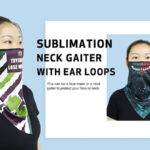
Nalangkit nga Pagbasa:Mas maayo ba ang usa ka kostumbre nga gaiter sa liog nga adunay mga loop sa dalunggan kaysa sa normal nga buff sa liog?
Step-by-Step Guide to Starting Your Equestrian Clothing Brand
Build a Practical Business Plan
You need to define how you will stand out from the competition. For example, you might focus on sustainability, unique designs, or a specific niche. Make a list of your first products, such as breeches, leggings, t-shirts, jackets, and saddle cloths. Then, you can figure out your manufacturing needs.
Develop a Strong Brand Identity and Design Direction
All you need is a bold and honest vision. My advice is to find creative experts for pattern making or prototyping. You can also work with full-service partners who handle production. Make sure you insist on confidentiality to protect your designs at every step.
Pilia ang Husto nga Manufacturer
I believe your tiggama sa mga sinina sa kabayo is more than a supplier; they are your partner. You should look for specialists in equestrian sportswear who can prove their quality. I recommend you request samples, check their technical skills, and assess their labor practices’ transparency. You must use top-quality materials and construction if you want to compete with brands like Cavalleria Toscana and Samshield.
Prioritize Sustainability and Ethical Practices
Partner sa riding apparel factories that maintain ethical supply chains from start to finish. I’ve seen that brands win trust by being transparent. You should explain how your gear is made, who makes it, and how long it is built to last. If you can, you could offer repair programs or product take-back options.
Build a Conversion-Focused Website and Online Shop
Your digital store is critical. Your website should make shopping easy and build trust. This means clear pricing, straightforward policies, and sharp visuals are essential. Also, plan for your PR and digital marketing.
Monitor Trends and Launch Smart Collections
The most successful brands are quick to adapt. From my analysis, you should study bestsellers. For 2025, top products like the Cavalleria Toscana Saddle Cloth (£158), Samshield Talia Full Grip Breeches (£215), Ug BOSS Equestrian Maira Training Top (£127) are popular because they combine fashion with function. I recommend planning your launches around each season’s popular colors and fabrics.
Implement Rigorous Quality Control
Based on my experience, too many new brands have problems here. You have to test, test, and test again. Get feedback from real riders. Make adjustments to improve your products and see if they can be repaired easily. I suggest promoting a “buy better, buy less” philosophy, so every purchase feels like a smart, long-term choice.
Build Community Engagement and Transparency
Don’t just sell products; connect with your audience. I think you should share behind-the-scenes stories about your production methods, sustainability work, and product ideas. You can also publish trend guides and styling advice. This positions your brand as a helpful resource, not just a store. You will inspire loyalty with honesty and by providing real value.
Designing Your Equestrian Apparel Collection
Start with Your Key Equestrian Staples
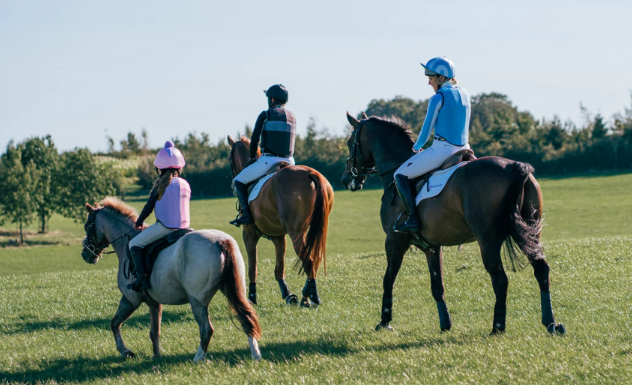
- Breeches: These are a core piece of any rider’s wardrobe. Your breeches must be comfortable, have good grip, and fit well. I think this is an area where you don’t want to cut corners.
- Show Shirts: A good show shirt helps riders with both their appearance and performance. I suggest using lightweight, technical fabrics. They should pull sweat away from the skin and breathe well. This is important for long days at the barn or in the competition ring. Small, stylish details are a great addition.
- Base nga mga sapaw: The ability to layer clothing is very important. Good base layers help control body temperature. They manage heat and moisture, which helps riders in any weather.
From my analysis, most successful brand launches begin with 2–3 main products. This often includes one style of breech, a classic show shirt, and a base layer. I recommend keeping your initial product count low. You should plan to stock between 100–500 units for each product. The final number will depend on your budget and the factory’s minimum order requirements.
Focus on Performance, Fabric, and How Long it Lasts
- Mga Materyal ug Panapton
– You need to check the elastane content yourself. I suggest aiming for 10–20% in your fabric blends. This gives the clothes flexibility and comfort for riding.
– Polyester and Polyamide (Nylon) are great for durability and managing moisture. You can also look at new materials like Vegan Suede for a modern style that dries quickly.
- Mga Detalye sa Kalidad
I suggest you insist that your garments are finished properly. If the color fixing process is poor, the clothes will fade after a few washes. This can make your equestrian apparel brand seem cheap.
They should be able to handle different branding methods like screen printing, embroidery, DTG, or heat transfer. You should also make sure the processes you use are safe and meet global eco-friendly standards.
Don’t Skip the Design Process—This is Where You Win or Lose
- Create Solid Tech Packs: You need detailed tech packs. These are documents that list out every single detail. I mean everything: measurements, stitching, fabric types, trims, artwork placement, and color codes. Your factory needs these tech packs to produce consistent quality, from the first sample to the full production run.
- Provide Professional Design Files: Work with your designers to get professional design files. I recommend formats like .ai, .pdf, or .dxf. These files are not optional. They help make your manufacturing process run smoothly and prevent expensive mistakes.
If your tech packs are incomplete or your instructions are vague, you will run into problems. You can expect production mistakes, rising costs, and more customer returns that will hurt your profits. I believe that being disciplined in your design process is the real key to success for any top equestrian brand.
Test, Launch, and Use Feedback
Launch with your main products, see how they sell, and be ready to make changes. From what I’ve seen, top brands win because they listen to customer feedback. They check the fit, material quality, and finish with each new product they release. Staying consistent with your technical quality—like using real elastane, authentic fabric blends, and proper finishing—is what separates a one-hit wonder from a brand that lasts.
Finding the Right Equestrian Clothing Manufacturer
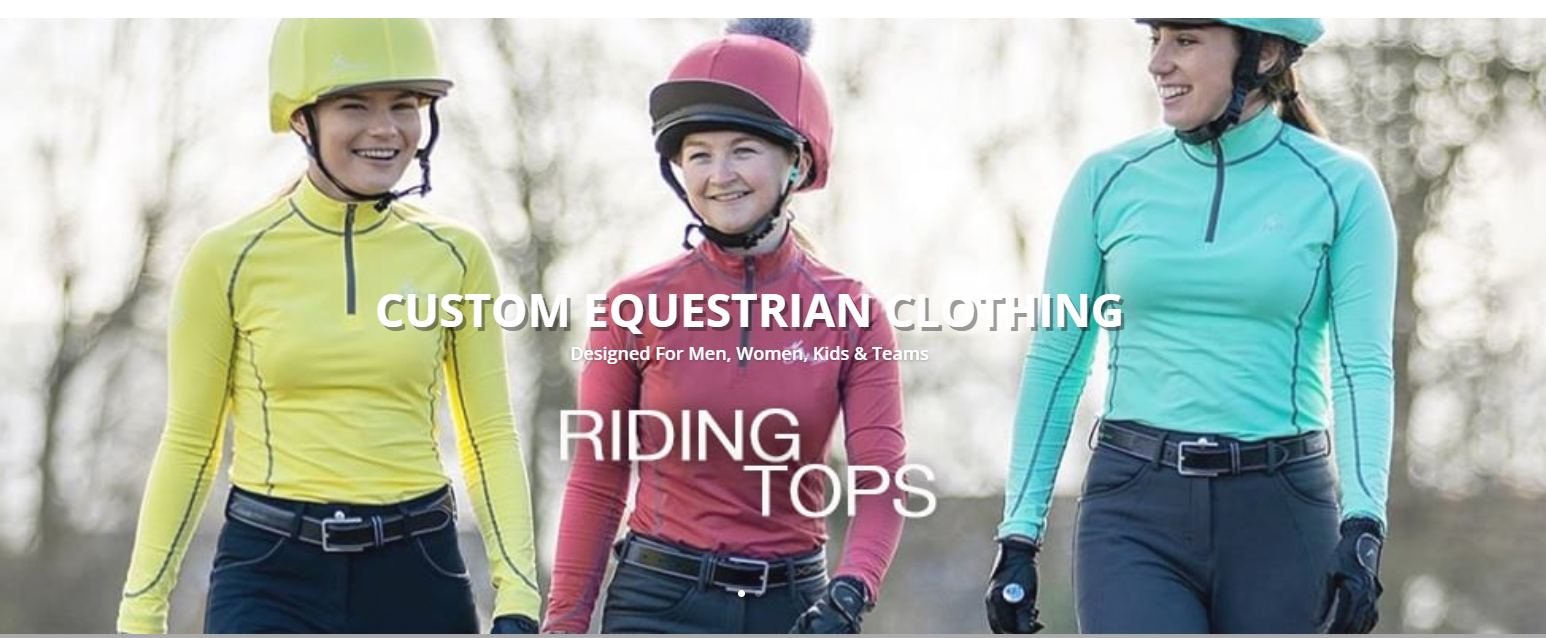
Pagpili sa imong equestrian riding clothes manufacturer is a big decision, so I recommend you don’t rush it. Based on my experience, this choice can make your brand a success or cause constant problems.
Key Factors for Your Equestrian Apparel Manufacturer
Pag-focus sa Pagpadayon ug Etika
Your customers care a lot about where and how their gear is made. I’ve seen the eco-friendly clothing manufacturers use recycled technical fabrics, like materials made from post-consumer plastics. They also make durability a core promise. Many even offer repair programs to make products last longer.
Look for Technical and Performance Expertise
Modern equestrian wear is more than just cutting and sewing fabric. You need high-performance technical fabrics. These should include stretch, moisture-wicking, UV protection, smart temperature-regulating, and even antimicrobial features. You need to see if a potential riding horse clothes supplier can build complex sportswear, not just basic clothes.
Flexibility for New Brands
If you are just starting out, high minimum order requirements can stop you in your tracks. I recommend you look for manufacturers that offer no minimum order quantities (MOQ). Daghan equestrian riding clothes factories now help new companies with smaller runs and sample production. They also offer full prototyping support, so you can test, learn, and improve your products before ordering a large batch.
Customization and Brand Ownership
Making products personal is key this year. I suggest picking custom equestrian clothing manufacturer who can handle embroidery, special add-ons, unique colors, and quick custom orders. Younger riders and online shoppers want to express their individuality.
Nalangkit nga Pagbasa:Unsang Fitness Clothing ang Isul-ob sa Senior Women Over 40?
The Equestrian Clothing Production Process

Sourcing Sustainable, High-Performance Fabrics
From my perspective, top brands avoid generic fabrics. They seek out materials like recycled polyester, organic cotton, and biodegradable fibers. These choices support environmental goals. Plus, riders can feel the improvement in how long the clothes last and how well they perform.
Sourcing takes time, I know. I recommend working with industry experts. They can speed up your search and confirm your suppliers are legitimate. They can also check for ethical practices. You cannot take shortcuts here if you want to appeal to modern, mindful customers.
Creating Patterns for Riders’ Needs
Creating patterns for riding clothes requires real skill. It involves designing for how a rider moves and ensuring a secure fit. It can even include building in safety items like stronger seams.
I’ve found that many specialized factories have their own pattern makers. This helps ensure your clothing fits perfectly and can be made consistently in large numbers.
Prototyping and Toiling: Ironing Out the Details
This is a sample made from cheaper fabric. This step lets you check the fit and move seams around. You can figure out practical details before spending money on the full production.
Sample Creation: Where Your Vision Gets Real
Using your chosen fabric and final pattern, equestrian clothes expert makers create a working piece of clothing.
Give them a solid tech pack. This is a document that lists every measurement, fabric detail, and finishing touch. I see it as your protection against expensive, time-consuming changes.
Technology Integration: Smarter Fit, Faster Turnaround
I believe 2025 is all about 3D scanning and printing. Brands use this tech to create personalized breeches and boots. This is custom-fit gear based on a rider’s specific measurements. It ships faster and has fewer returns.
From what I’ve seen, this technology upgrade improves customer happiness. It also lowers your costs and speeds up your production schedule.
Bulk Production: From Sample to Scale
Once you approve the samples, production begins. In my opinion, bulk production in 2025 focuses on energy-efficient machines, less water use, and fewer chemicals.
Modern factories now post their green metrics and certifications. Transparency is a big selling point, and I find customers expect it.
Hugot nga Pagkontrol sa Kalidad ug Pagsulay
Before any item ships, it must pass mga pagsulay sa stress. I would check for seam strength, fabric quality, and correct sizing. Make sure these tests meet international safety standards. Cutting corners here is a critical mistake.
Riders depend on your quality. This is where you build or ruin your brand’s reputation.
Sustainable Packaging and Smart Distribution
After your gear passes all checks, it’s time for packaging. I suggest using recycled or compostable materials. Everything should be labeled so it can be traced. In my view, distribution now relies on direct-to-consumer e-commerce. This supports a growing industry valued at $ 6.6 bilyones sa 2024. I foresee it will continue to grow at 5.5% or more per year through 2034.
2025 Equestrian Apparel Trends to Note
Bold Colors, Patterns & Coordination Rule the Arena
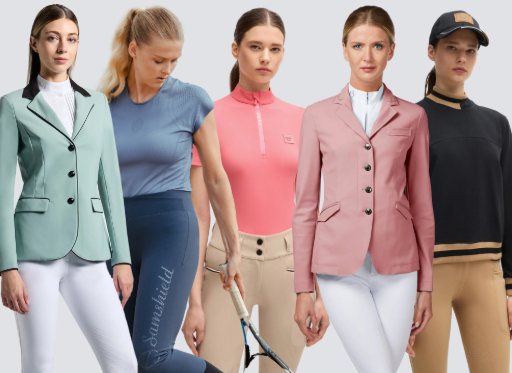
In my opinion, 2025 is all about color confidence and playful prints. Traditional neutral colors are out. I’m seeing more deep reds, bright blues, rich greens, and patterns from modern shapes to floral designs. This trend isn’t just about clothes. Matching sets for the rider, tack, and even the horse mga sikat.
Advanced Technical Fabrics Take Center Stage
Performance is a must. Based on my experience, you’ll see brands offering collections with these features:
- Upat ka paagi nga pag-inat to allow complete freedom of movement.
- Moisture-wicking and weather-resistant materials to keep riders dry in any weather.
- Thermal nga mga sapaw ug UV-protective fabrics for year-round comfort and safety.
- Ergonomic nga mga disenyo to make long rides more comfortable and reduce tiredness.
I believe lightness and durability are the new normal. Custom equestrian riding gear must be tough but should never feel heavy for the rider.
Sustainability and Ethical Production: No Longer Optional
Concern for the environment is changing the industry. I see that smart brands are now very open about their production methods. They use materials from good sources that are better for the planet, like recycled fibers and vegan leathers. They show their supply chain information. This is now a key step to win the support of younger, conscious consumers.
Pag-customize ug Personalization
Riders want gear that is as individual as their horses. In my view, the biggest trend for 2025 is making equestrian clothing personal.
– Made-to-order apparel
– Personal embroidery and monograms
– Custom, discipline-specific fits
Custom options attract high-end customers and help build strong brand loyalty.
Social Media & Influencer Marketing Drive Growth and Trends
It’s clear to me that athletes and equestrian influencers are setting the styles. What they feature on Instagram or TikTok soon becomes what shoppers want to own. This means trends change fast. I suggest brands pay attention to what’s getting popular online.
Nalangkit nga Pagbasa:Giunsa ang pag-abli sa usa ka fashion sportswear online store sa Shopify nga wala ang paghimo sa imong kaugalingon?
Panapos
Looking back, I realize the riding apparel industry is at a turning point. What started as gear for professionals has become a creative space where style meets performance. I’ve watched this market evolve, and I’m convinced that the brands succeeding today aren’t just selling clothes—they’re building communities around shared values of quality, sustainability, and personal expression. The opportunity is real for anyone willing to listen to riders, respect the environment, and create something truly meaningful. This isn’t just business; it’s about being part of something bigger.
Aron makakat-on pa custom equestrian jackets supplier, wholesale riding shirts & polos manufacturer ug private label equestrian clothing supplier, please visit Berunwear or [protektado sa email] sa pagkontak kanamo.